
Collagen: Structure and Function
Understanding collagen as a natural protein found throughout the body and its roles in maintaining various tissues and supporting overall structural integrity.
What Is Collagen?
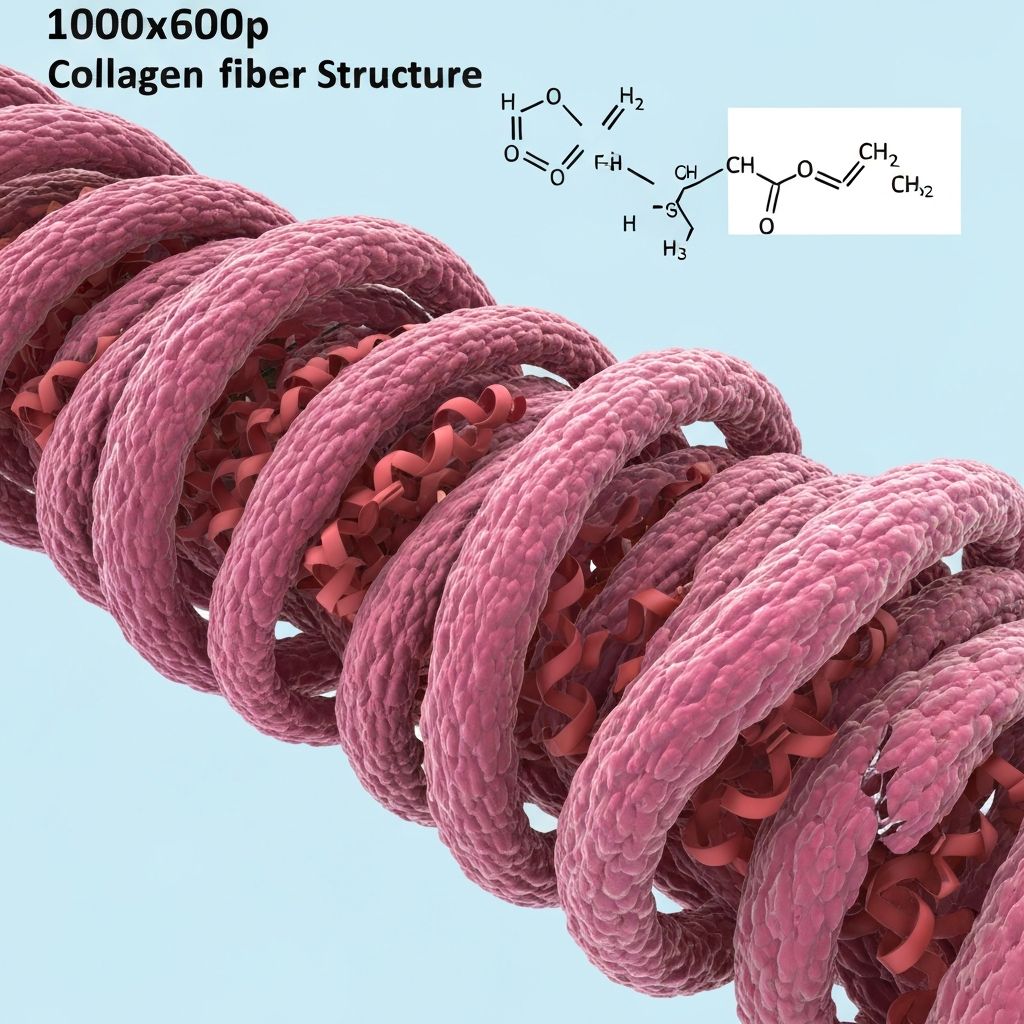
Collagen is the most abundant protein in the human body, comprising a significant portion of skin, bone, cartilage, tendons, and ligaments. It is a fibrous protein with a complex triple-helix structure that provides strength and flexibility to various tissues.
The term "collagen" comes from Latin, meaning "glue-producer," reflecting its role in binding tissues together. There are multiple types of collagen, each with slightly different structures and distributions throughout the body.
Collagen is continuously synthesized by cells called fibroblasts and is gradually broken down and replaced throughout life. This turnover is a normal biological process, and the balance between synthesis and breakdown is crucial for tissue maintenance.
Collagen Types and Distribution
Different types of collagen are found in different tissues, each suited to that tissue's specific functions. Type I collagen is predominant in skin, bone, and tendons. Type II collagen is the main component of cartilage. Type III collagen is important in blood vessels and internal organs.
Each collagen type has unique characteristics determined by its amino acid composition and cross-linking patterns. These structural differences allow each type to perform its specific biological role effectively.
The distribution and proportion of collagen types change throughout life and can be affected by various factors including age, nutrition, physical activity, and overall health status.
Collagen and Joint Health
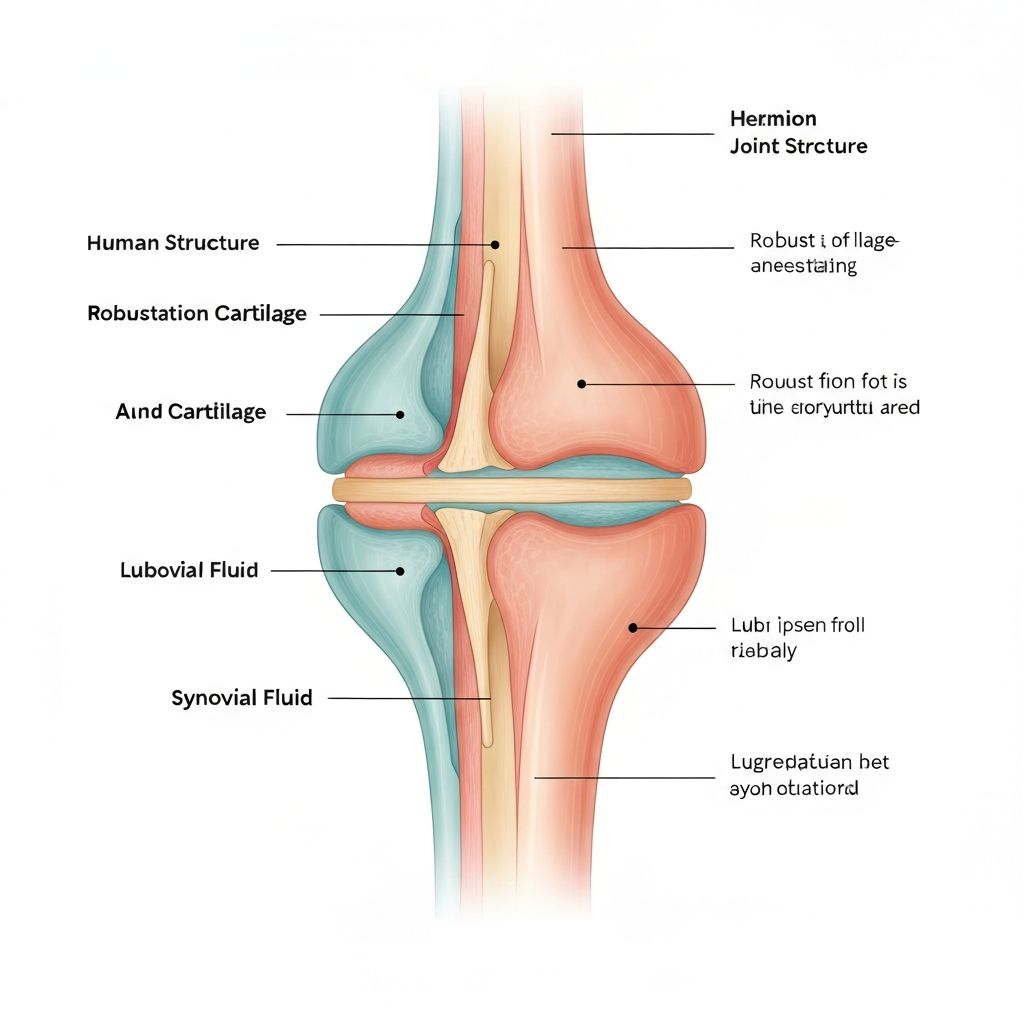
In joints, collagen—particularly Type II collagen—is a major component of cartilage. Cartilage serves as a protective cushion between bones, allowing smooth movement and distributing loads during physical activity.
Beyond cartilage, collagen appears in tendons and ligaments that stabilize joints and in the joint capsule that encloses the joint. This network of collagen-containing tissues works together to maintain joint function and support mobility.
Research explores how collagen synthesis and degradation processes function in joints and how various factors—including age, physical activity, and nutritional status—influence these processes.
Collagen Synthesis and Maintenance
Collagen production requires several essential amino acids, vitamins, and minerals working together in coordinated biochemical processes.
- Amino Acids: Proline, glycine, and hydroxyproline are primary building blocks of collagen, obtained from protein sources in the diet.
- Vitamin C: Essential for hydroxylation—a chemical process required to stabilize and cross-link collagen molecules.
- Minerals: Copper, iron, and manganese serve as cofactors in enzymes involved in collagen synthesis and cross-linking.
- Age Factor: Collagen synthesis naturally decreases with age, while collagen degradation may increase, affecting tissue quality over time.
- Physical Activity: Weight-bearing and resistance exercise can stimulate collagen synthesis, particularly in tendons and bone.
Factors Influencing Collagen Quality
Multiple factors influence how well the body maintains collagen. Nutrition plays a critical role, as the body requires adequate protein, vitamin C, and specific minerals to synthesize new collagen.
Physical activity influences collagen deposition and cross-linking, particularly in tissues subjected to mechanical stress. Sedentary behavior can reduce collagen-producing stimulus, while appropriate activity promotes tissue maintenance.
Sleep quality, stress levels, and overall health status also influence collagen metabolism. Adequate hydration supports all biochemical processes, including those involved in collagen synthesis and maintenance.
Educational Information Disclaimer
This article provides educational information about collagen structure, function, and synthesis. It does not claim that consuming collagen or collagen-promoting compounds will cure, treat, or prevent any medical condition.
Individual collagen metabolism varies based on genetics, age, overall health, and lifestyle factors. Decisions about collagen supplementation or related health interventions should be made in consultation with healthcare professionals.